How Repairs Improve Safety and Prevent Trip Hazards
Concrete repair professionals can fix cracks and uneven surfaces to improve safety and prevent trip hazards in your property.
If you’ve noticed uneven or cracked surfaces around your property, understanding how repairs improve safety and prevent trip hazards can make a significant difference. Property owners in the area often find that addressing these issues promptly not only enhances the appearance of walkways and patios but also reduces the risk of accidents that could lead to injuries or liability concerns. Ensuring that surfaces are smooth and stable is a practical step toward creating a safer environment for everyone who visits or uses the space.
Local contractors specializing in concrete repair are equipped to handle these concerns effectively, helping to restore damaged surfaces and improve overall safety. By investing in timely repairs, property owners can maintain a secure outdoor area, prevent costly accidents, and extend the lifespan of their surfaces. Keep reading to discover how simple repairs can make a meaningful impact on safety and how trusted service providers can assist in keeping outdoor spaces safe and well-maintained.
- Concrete repair services are needed when cracks, uneven surfaces, or deterioration create trip hazards in walkways or patios, and local contractors use specialized techniques to restore smooth, safe surfaces. When concrete surfaces show signs of spalling or settlement, local pros can perform repairs that eliminate uneven areas and reduce the risk of trips or falls. Repairing damaged concrete around stairs, ramps, or entryways helps improve safety by providing stable, level surfaces for foot traffic, with local service providers applying durable fixes to prevent future issues. In cases of exposed or broken edges, local contractors can rebuild or seal these areas to prevent accidents caused by loose or sharp concrete fragments. Regular concrete maintenance and timely repairs from local pros help ensure surfaces remain safe and hazard-free for pedestrians.
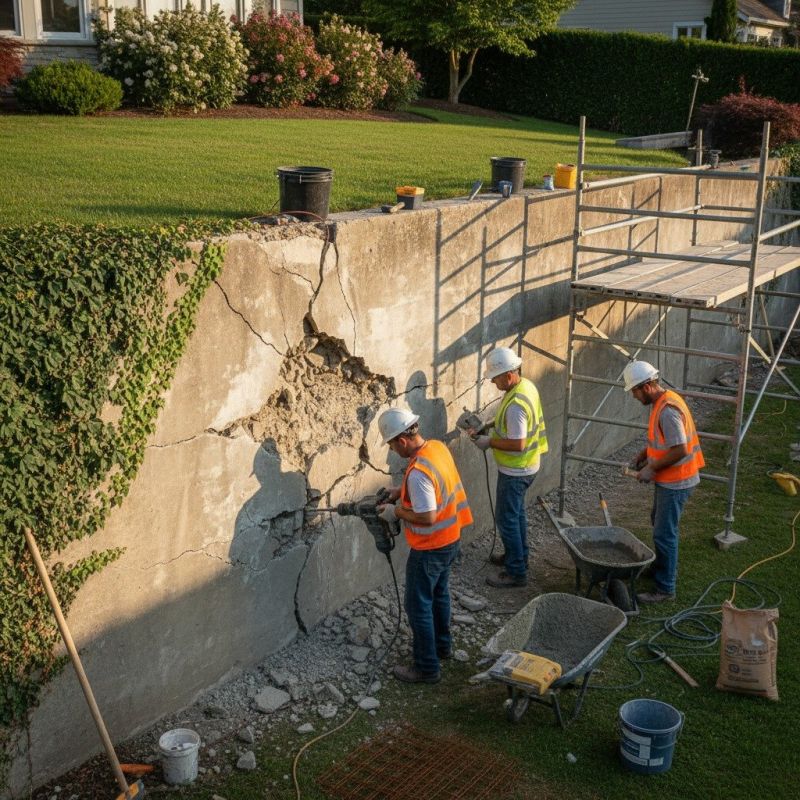
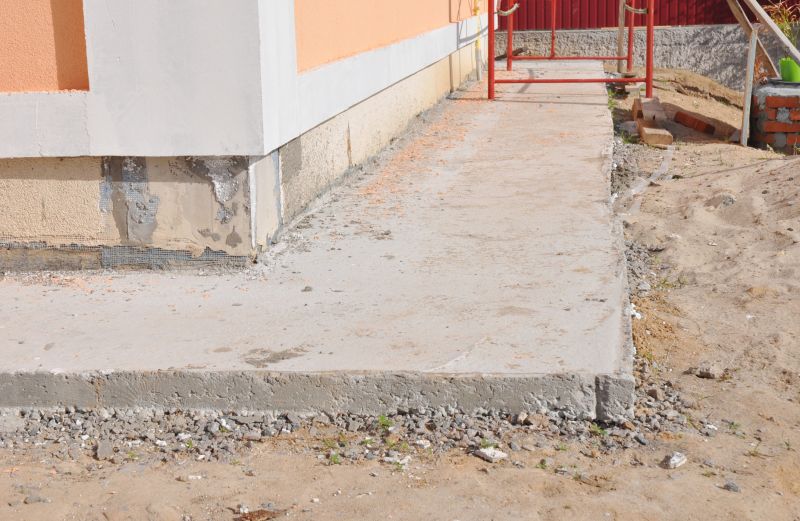
When people search for how repairs improve safety and prevent trip hazards, they are often concerned about the condition of their property’s walkways, driveways, or flooring surfaces. Over time, concrete and other paving materials can develop cracks, uneven patches, or surface deterioration that create potential hazards. Homeowners may notice sections that are sinking, cracked, or rough, which can increase the risk of trips or falls-especially for children, seniors, or anyone with mobility challenges. Such concerns prompt inquiries about fixing these issues to make outdoor or indoor spaces safer and more accessible.
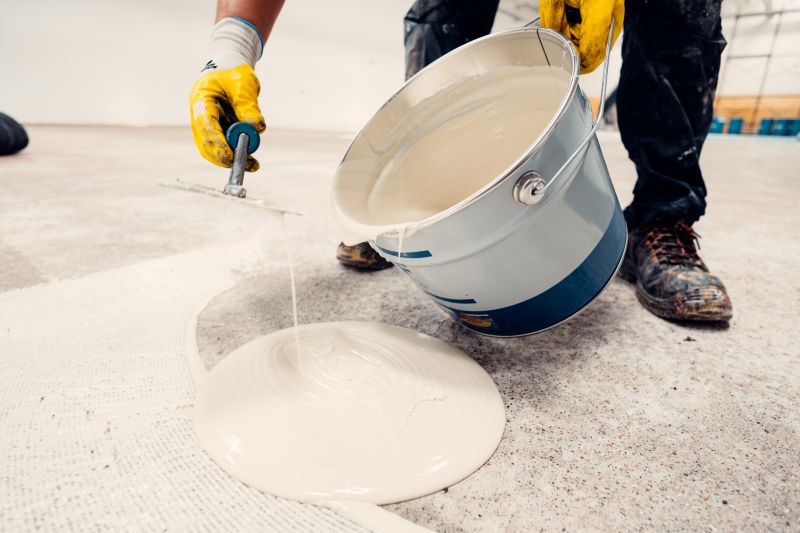
This topic relates closely to problems like cracked or uneven concrete slabs, settling driveways, or deteriorating walkways. Many property owners plan repairs to address these issues proactively or in response to safety concerns. Repair projects often involve leveling uneven surfaces, filling cracks, or replacing sections that have become hazardous. These efforts not only enhance the aesthetic appearance of a property but also reduce the likelihood of accidents caused by loose or unstable surfaces. In many cases, repair plans are driven by the desire to maintain property safety standards and prevent costly injuries or liability issues.
The types of properties that typically come up in discussions about safety-related repairs include residential homes, apartment complexes, commercial storefronts, and public outdoor spaces. Homes with aging concrete driveways or patios are common candidates for repairs aimed at safety improvements. Similarly, commercial properties with high foot traffic often prioritize fixing uneven walkways or damaged flooring to prevent trip hazards. Public parks, sidewalks, and community centers also frequently require maintenance to ensure safe passage for visitors. Local contractors specializing in concrete repair can assess these properties and recommend solutions tailored to the specific safety needs of each space.
Concrete repair professionals play a vital role in helping property owners address safety concerns effectively. These specialists can evaluate the condition of existing surfaces, identify potential hazards, and implement repair strategies that restore stability and smoothness. Repairs might include patching cracks, leveling uneven slabs, or replacing sections of damaged concrete. By addressing these issues promptly, property owners can significantly reduce trip hazards, making their spaces safer for everyone. Connecting with experienced local contractors ensures that repairs are performed correctly, enhancing safety and preventing future problems related to surface deterioration.
Sidewalk Repair - local contractors specializing in sidewalk repairs help address uneven surfaces that can cause trip hazards, ensuring safer pedestrian pathways.
Parking Lot Resurfacing - experts in parking lot resurfacing correct cracks and potholes, reducing the risk of trips and falls in commercial and residential areas.
Floor Leveling - service providers skilled in floor leveling work to eliminate uneven flooring, preventing trips and improving overall safety indoors.
Concrete Patchwork - local pros performing concrete patchwork fill cracks and holes, restoring surface integrity and minimizing trip risks.
Driveway Repair - driveway repair specialists fix cracks and uneven sections, helping to prevent accidents caused by trip hazards on residential driveways.
Outdoor Surface Restoration - providers focusing on outdoor surface restoration ensure walkways and patios are smooth and safe for foot traffic.
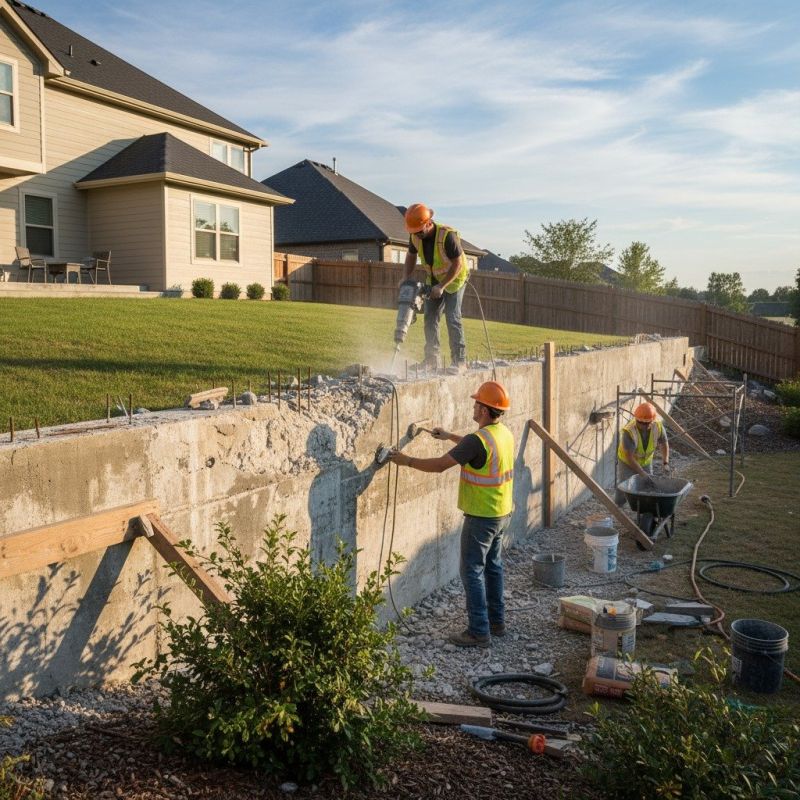
When evaluating concrete repair services to improve safety and prevent trip hazards, it is important to consider the experience of local contractors with similar projects. Contractors who have a history of working on concrete repairs in residential settings can often better assess the specific conditions that contribute to trip hazards, such as uneven surfaces or cracking. Asking about previous projects can provide insight into their familiarity with the types of repairs needed to restore a smooth, level surface that reduces the risk of falls and injuries.
Clear written expectations are essential when comparing service providers for concrete repairs focused on safety. A reputable contractor should be able to outline the scope of work, materials to be used, and the process involved in addressing trip hazards. This clarity helps ensure that both parties understand what will be done to improve the safety of walkways, driveways, or patios, and reduces the likelihood of misunderstandings or incomplete repairs that could still pose hazards.
Reputable references and strong communication are key indicators of a reliable service provider. Local contractors who can provide references from previous clients demonstrate a track record of successful projects. Good communication throughout the process allows homeowners to ask questions, express concerns, and stay informed about the progress and any potential issues. Choosing a provider who values transparency and responsiveness can lead to a more satisfactory experience and a safer, more durable repair that effectively prevents trip hazards.
Property owners often search for how repairs improve safety and prevent trip hazards when they are planning practical projects around their homes and businesses. Local pros provide Concrete Repair services for everyday jobs and straightforward project options.
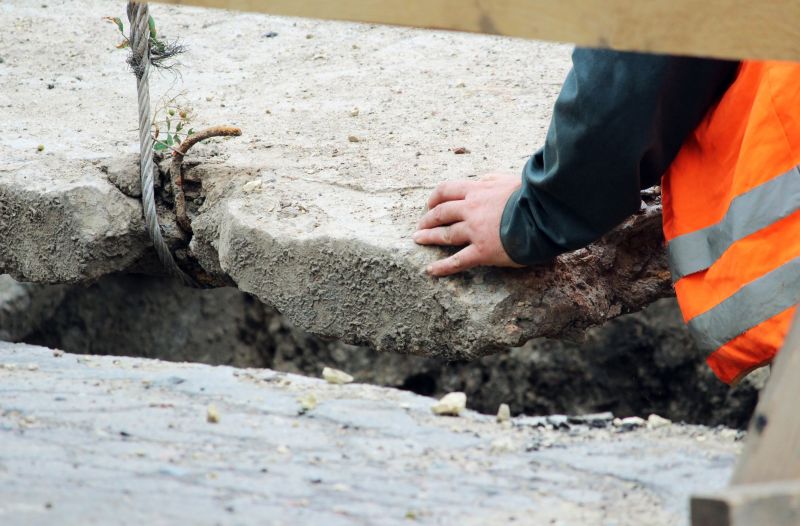
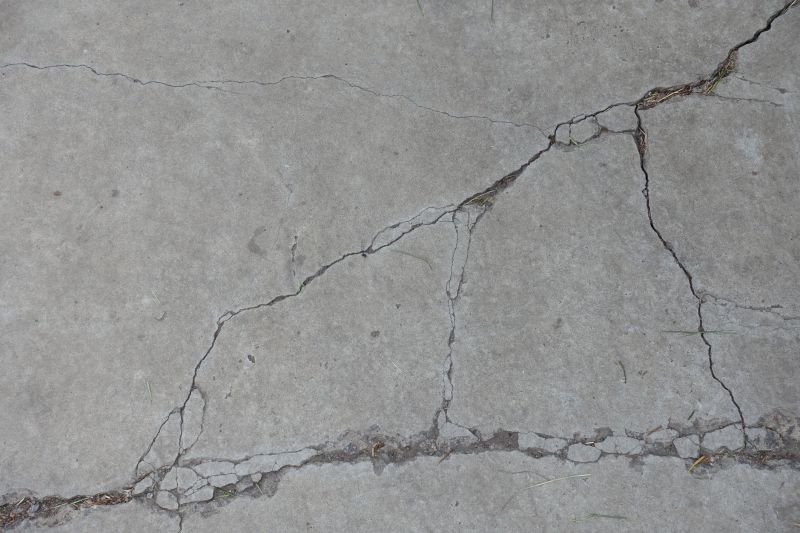
Addressing uneven or cracked concrete surfaces is a practical way to enhance safety around a property. Over time, weather, ground movement, or regular wear can cause concrete slabs to develop trip hazards that pose risks to residents and visitors alike. Property owners in the area often look into concrete repair services to restore these surfaces, ensuring they are smooth and level. Local contractors specializing in concrete repairs can assess the condition of existing surfaces and perform necessary fixes, helping to prevent accidents caused by loose or uneven footing.
Timely repairs also help maintain the structural integrity of walkways, driveways, and patios. Cracks and deterioration not only create trip hazards but can also lead to further damage if left unaddressed. Local service providers can perform repairs that reinforce the concrete, reducing the likelihood of future issues. This proactive approach contributes to a safer environment by minimizing trip hazards and creating a more stable, reliable surface for everyday use.
How do concrete repairs help prevent trip hazards? Concrete repairs address uneven or cracked surfaces, creating a smooth and level walking area that reduces the risk of tripping and falling.
What types of repairs are common to improve safety on damaged concrete? Common repairs include filling cracks, leveling uneven slabs, and replacing deteriorated sections to ensure a stable and safe surface.
Why is it important to fix cracks and holes in concrete surfaces? Fixing cracks and holes prevents them from worsening and becoming trip hazards, maintaining a safer environment for pedestrians.
How can local contractors ensure concrete surfaces are safe after repairs? They use proper repair techniques to restore the integrity and flatness of concrete surfaces, minimizing trip risks and enhancing safety.
Are repairs to concrete surfaces necessary for safety even if the damage seems minor? Yes, even minor damage can develop into larger hazards over time, making repairs essential for maintaining safety and preventing trips.
Identifying and repairing cracks in concrete surfaces can prevent uneven spots that cause trips, making walkways safer with the help of local contractors.
Leveling uneven concrete slabs ensures smooth, stable surfaces in driveways and patios, reducing the risk of falls and injuries.
Replacing damaged or broken sections of concrete can eliminate hazards like loose pieces that may cause trips in high-traffic areas.
Sealing and waterproofing concrete surfaces helps prevent deterioration that can lead to uneven surfaces and trip hazards over time.
If you are thinking about how repairs improve safety and prevent trip hazards for a property, this guide is meant to help you understand this topic, the typical project types, and how different options might fit your plans.
When you are ready, you can use the quote form on this page to share a few details about your project. From there, local pros can review the basics and follow up with options that match what you have in mind.